


Hormonal fluctuations have a significant impact on the appearance and feel of your skin, affecting everything from teenage breakouts to dryness or sensitivity in later life. Understanding what’s going on beneath the surface is crucial because these changes can impact elasticity, oil production, and overall complexion. Resources often highlight how different stages of life bring unique skin challenges that require targeted care. When you understand how hormones impact your skin at various ages, you can choose routines and treatments that keep it healthy and balanced. Below is a deeper look at the connection between hormones and skin health.
Teenage Hormones and Sudden Breakouts
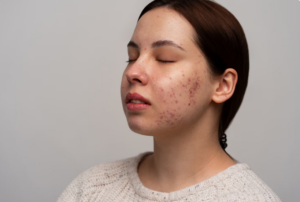 The teenage years are known for surging hormones, which send oil glands into overdrive. Increased oil production mixes with dead skin cells and clogs pores, leading to blackheads, whiteheads, and painful breakouts. This combination makes acne especially common and often difficult to manage without consistent cleansing and treatments that balance excess oil. Despite the frustrations, teenage skin also heals quickly. With gentle ingredients and healthy habits, teens can stabilize their skin over time. Hormonal fluctuations continue to rise and fall, so breakouts come in waves, but a steady routine helps reduce their frequency and severity while encouraging healthier long-term habits.
Adult Hormones and Shifts in Moisture
Adulthood brings a different set of hormonal changes. Stress from work, family, or lifestyle can trigger cortisol, which may weaken the skin barrier and cause flare-ups or dullness. Many adults also deal with hormonal cycles that create predictable breakouts around the same time each month. These changes often feel subtle but still affect overall skin clarity and balance. As adults get older, collagen naturally decreases. This reduces elasticity and may cause fine lines or sagging. Moisture levels also dip, making the skin feel drier. Supporting the barrier with hydrating products, sunscreen, and antioxidant-rich formulas helps keep skin strong as hormones gradually shift during the aging process.
Hormonal Changes Later in Life
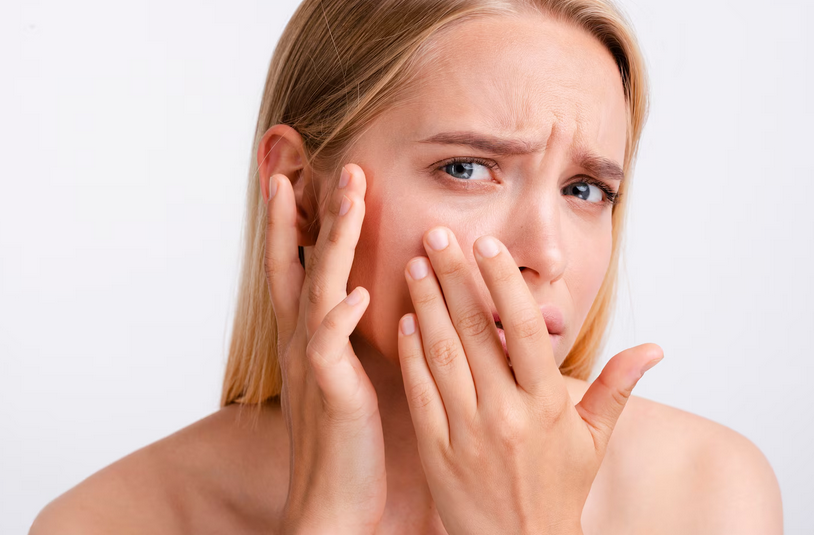
In later stages of life, hormonal production declines, which affects skin thickness, healing speed, and firmness. The drop in estrogen plays a major role, making the skin more fragile and more prone to dryness. These changes can make wrinkles appear deeper and leave the skin more sensitive to harsh products or environmental irritants. Even with these changes, mature skin can stay healthy and luminous with the right care. Ingredients that add moisture, strengthen the barrier, and support elasticity help soften age-related effects. Gentle routines and consistent protection make a noticeable difference as the skin adapts to lower hormone levels.
Hormones influence your skin more than most people realize, and understanding these changes helps you make better decisions at every age. From teenage breakouts to adult dryness and later-life sensitivity, each stage reflects a new hormonal pattern. Adjusting your routine to match your body’s natural shifts keeps your skin balanced, resilient, and comfortable as the years go by. With the right approach, hormonal changes become easier to manage, helping your skin stay healthier through every chapter of life.
…